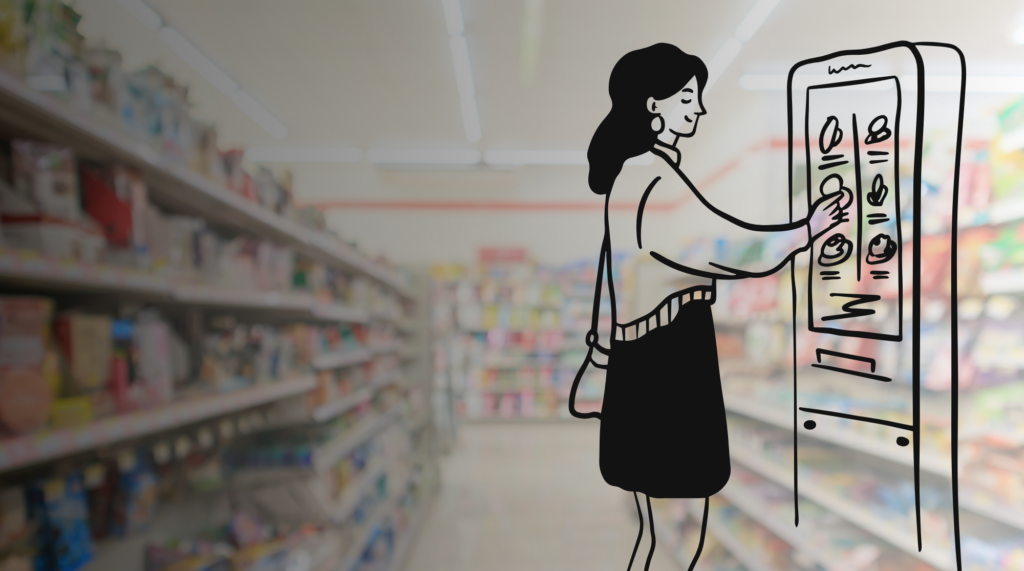
Nayax has launched its VPOS Media 4 terminal in the UK, as self-service payments move further beyond vending machines and into higher-value physical environments such as EV charging, parking, kiosks, laundromats and 24/7 retail.
The device adds PIN-capable payments to Nayax’s unattended commerce platform and follows earlier deployments across Australia and Europe. The launch comes as operators rethink the payment infrastructure behind self-service locations, where transaction values, compliance requirements and customer expectations increasingly differ from traditional vending.
Beyond low-value vending
For years, unattended payment technology centred on low-value contactless transactions. That model suited vending machines, coffee points and other quick-service environments where speed mattered more than interaction. However, the spread of self-service into transport, energy, parking and retail has raised the demands placed on terminals in the field.
Higher-value transactions often require stronger authentication, while operators also need more reliable connectivity, remote device management and payment hardware that can remain compliant as standards change.
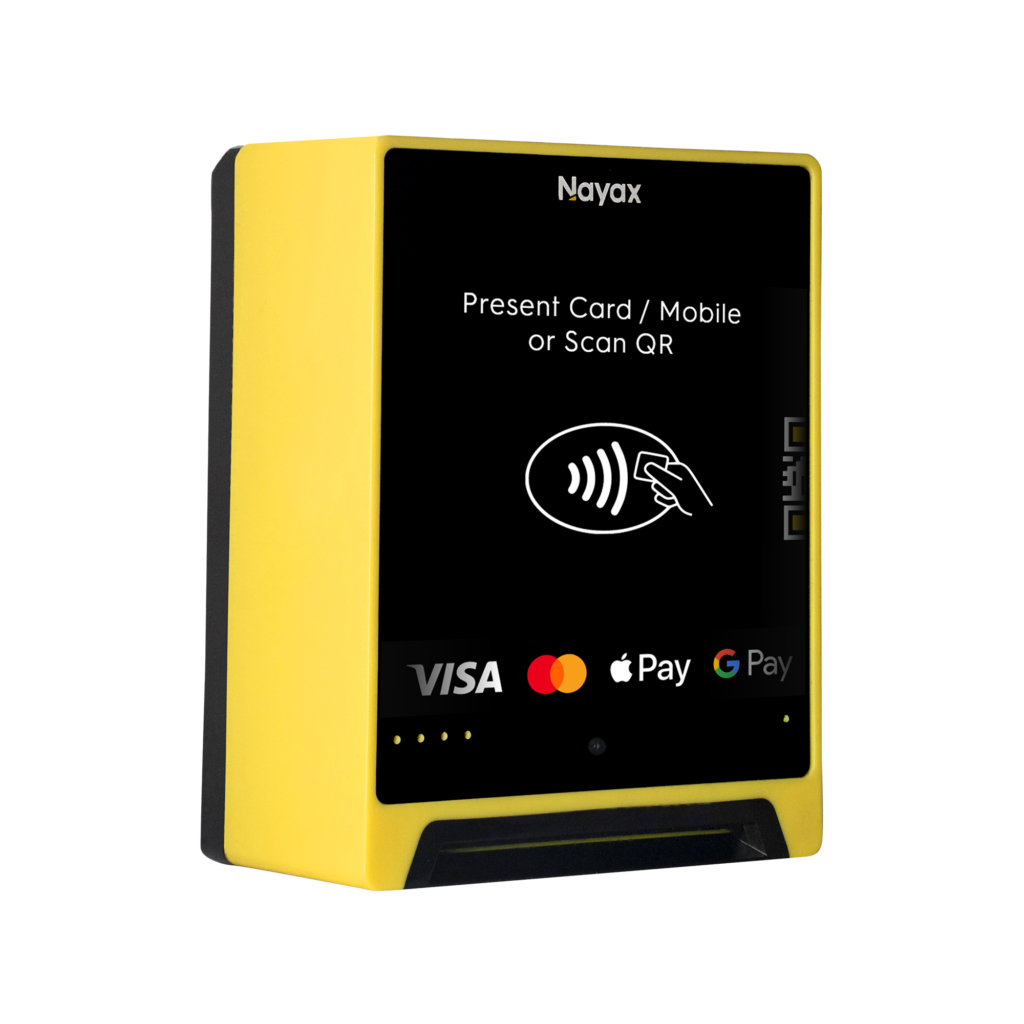
The VPOS Media 4 is an Android-based payment terminal with a four-inch colour touchscreen. It supports contactless and chip-and-PIN transactions, as well as EMV, NFC and QR code payments. Nayax has positioned the device as part of a wider commerce platform that combines payment processing, device management, loyalty tools and consumer engagement features.
The company says operators can use the terminal to run promotions, manage devices remotely, monitor performance and update terminals over the air.
Managing payments in the field
Yair Nechmad, chief executive and chairman at Nayax, said many legacy unattended terminals were built for a narrower use case.
“Many legacy unattended terminals were designed for low-value vending transactions and are not equipped for high-value PIN payments, evolving compliance requirements or telecom network sunset resilience,” he said.
“As unattended services expand into areas like EV charging, parking and kiosks, operators need payment technology capable of supporting larger transactions securely and reliably. The introduction of VPOS Media 4 extends Nayax’s capabilities in the UK and enables us to further address these challenges while allowing our operators to move beyond payments and into engagement-led revenue growth opportunities.”
The UK market also faces a hardware replacement cycle as 2G and 3G networks phase out. Unattended payment terminals often sit in the field for long periods, making connectivity and remote maintenance more important for operators managing large device estates.
VPOS Media 4 supports remote configuration and over-the-air updates, while its open API Android architecture allows larger operators and original equipment manufacturers to build custom applications on top of Nayax’s payments infrastructure.
Turning terminals into engagement points
The terminal is Nayax’s first to combine PCI PTS 6.x certified PIN-on-Glass technology with a four-inch touchscreen. PIN-on-Glass allows customers to enter their PIN directly on the touchscreen, supporting self-service environments where contactless-only payment may not be enough.
Lynda Clarke, general manager UK at Nayax, framed the launch around the changing role of the point of sale in unattended retail.
“VPOS Media 4 turns the point of sale into a point of engagement,” she said. “By combining platform flexibility with regulatory readiness, the device helps merchants build stronger customer relationships, unlock new sustainable growth opportunities, and future-proof their operations as they enter new markets.”
The launch follows a period of growth for Nayax. In the first quarter of 2026, the company reported revenue of $107 million, up 32 per cent year-on-year, with organic growth of 26 per cent. Adjusted EBITDA grew 43 per cent to 13 per cent of revenue.
Nayax’s installed base passed 1.5 million connected devices during the quarter, while its customer base reached 120,000. The company has 13 global offices, around 1,250 employees and connections to more than 80 merchant acquirers and payment method integrations.