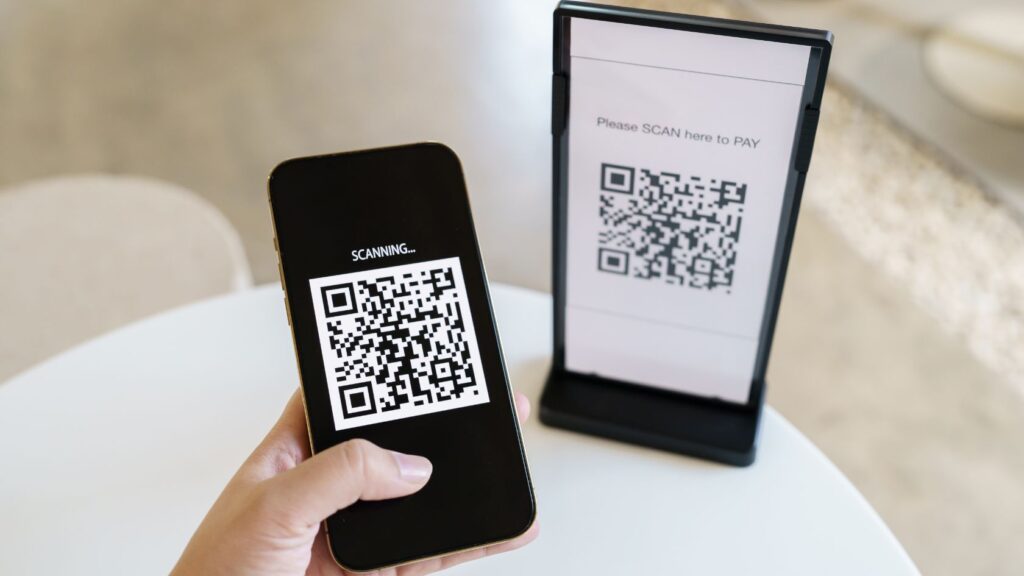
Chinese digital payment provider Lianlian DigiTech has secured a payment services license from the Dubai Financial Services Authority (DFSA), marking a major milestone in the company’s Middle East expansion strategy.
The regulatory approval enables the company to establish a licensed regional headquarters in the Dubai International Financial Centre (DIFC) and offer regulated payment and settlement services across the region.
The development strengthens Dubai’s position as a global cross-border payments hub, while allowing Lianlian to deepen its presence in one of the world’s fastest-growing financial corridors connecting Asia, the Middle East, and international markets.
The move also signals a broader strategic transition for the company, from testing market entry in the region to building long-term regulated infrastructure designed to facilitate enterprise-level cross-border fund flows.
What the DFSA License Means for Lianlian
The DFSA license provides Lianlian with the regulatory framework required to offer payment and settlement services from DIFC under one of the region’s most internationally recognised financial regulatory regimes.
This approval positions the company to support businesses operating across multiple jurisdictions with a compliant payment infrastructure.
Key Details of Lianlian’s DFSA License
| Category | Details |
| Company | Lianlian DigiTech |
| Regulatory Approval | DFSA Payment Services License |
| Regional Base | DIFC, Dubai |
| Primary Focus | Cross-border payments and settlement |
| Operational Reach | 100+ countries |
| Global Regulatory Coverage | 68 payment licenses |
| Strategic Goal | Strengthen Middle East payment corridors |
The approval reflects increasing regulatory confidence in international fintech providers seeking to establish operations within Dubai’s regulated financial ecosystem.
Why DIFC Matters for Cross-Border Payments
The Dubai International Financial Centre has become a strategic gateway for payment firms looking to connect regional businesses with global markets.
Its regulatory framework, international business infrastructure, and connectivity make it an ideal base for firms focused on international settlements.
Advantages of Operating from DIFC
- Strong international regulatory reputation
- Access to regional financial institutions
- Strategic location between Asia, Europe, and Africa
- Advanced fintech ecosystem
- Regulatory clarity for payment service providers
By securing its DFSA license, Lianlian gains direct access to this ecosystem while enhancing trust among regional enterprises and banking partners.
Also, read Mal Secures CBUAE In-Principle Approval to Launch AI-Native Islamic Digital Bank in UAE
How Lianlian Plans to Expand in the Middle East
The company intends to work alongside regional banks to deliver payment services tailored to local business needs.
This includes refining transaction infrastructure to create smoother, more resilient cross-border payment experiences for businesses moving funds into and out of the Middle East.
| Service Area | Intended Benefit |
| Payment settlement | Faster transaction completion |
| Cross-border fund transfers | Reduced friction for international payments |
| Regional banking integrations | Improved local financial connectivity |
| Enterprise transaction support | Greater reliability for large-scale businesses |
| Payment network resilience | Stable financial infrastructure |
This strategy reflects growing enterprise demand for seamless payment rails as regional trade activity accelerates.
What This Means for Businesses
For enterprises operating across borders, payment inefficiencies remain one of the biggest operational challenges. Delays, fragmented settlement systems, and compliance complexity can create friction for businesses scaling internationally.
Lianlian’s licensed presence in DIFC could help address these challenges by providing a more structured, regionally integrated payment infrastructure.
More Predictable Settlement Timelines
Businesses can benefit from improved transaction consistency, helping them better manage cash flow and reduce delays in international payments.
Improved Compliance Confidence
Operating within a DFSA-regulated framework provides enterprises with greater assurance that payment flows comply with regional regulatory requirements.
Better Access to Regional Payment Infrastructure
Companies expanding into the Middle East can connect with payment systems designed specifically for local and cross-border financial activity.
Reduced Cross-border Payment Complexity
Simplified transaction processes can help businesses avoid operational bottlenecks often associated with international fund transfers.
Stronger Financial Connectivity Across Trade Corridors
Enhanced payment rails can support smoother movement of funds between the Middle East and major global commercial markets.
This is particularly relevant for industries with high international transaction volumes, including e-commerce, logistics, trade finance, supply chain services, and international B2B commerce.
Bottom Line
The UAE continues strengthening its role as a bridge for international financial flows.
Lianlian’s move into DIFC reinforces this trajectory, adding another globally connected payment player to the ecosystem.
As digital trade volumes rise and businesses seek more efficient transaction infrastructure, regulated cross-border payment platforms will become increasingly central to regional financial growth.
For the UAE fintech sector, Lianlian’s DFSA approval signals continued momentum in attracting global financial innovators while advancing Dubai’s ambition to become a leading international payments and fintech hub.