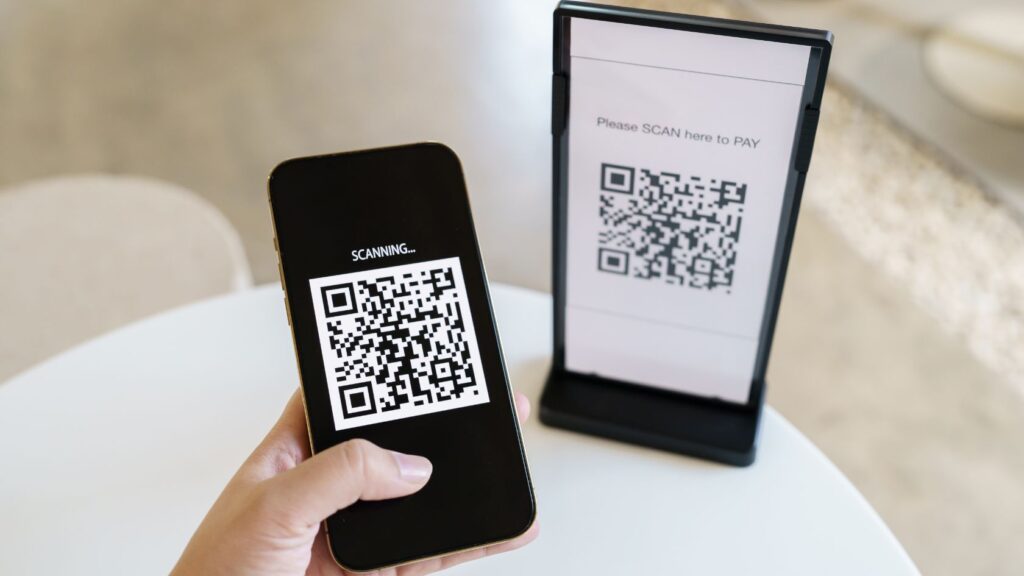
The movement of money between accounts looks simple from the customer side—tap “send,” see “completed”—but behind the scenes, different payment rails trade off speed, cost, reversibility, and risk in very different ways. This guide compares ACH, wire transfers, card-based transfers, and real-time payments (RTP) so you can choose the right rail for the job.
Rule of thumb: If you need cheap and can wait, start with ACH. If you need final and high-value, choose a wire. If you need reach to a cardholder, use card rails. If you need instant account-to-account settlement, use RTP (when available).
Quick comparison: speed, cost, reversibility, and risk
The right rail depends on what you’re optimizing for: clearing time versus settlement finality, sender controls, dispute rights, fraud exposure, and operational constraints (cutoff times, eligibility, message fields, and limits).
| Rail | Typical speed | Relative cost | Reversibility/disputes | Common risk profile | Best fit |
|---|---|---|---|---|---|
| ACH | Same day to 1–3 business days (varies by type and cutoff) | Low | Moderate (returns, unauthorized claims, admin reversals) | Return risk, account validation issues, fraud via account takeover | Payroll, bills, subscriptions, B2B payouts |
| Wire | Minutes to same day (business hours) | High | Low (generally final once sent/accepted) | Irrevocability + social engineering (APP-style scams) | High-value, time-critical, escrow/closing |
| Card (debit/credit, push-to-card) | Authorization is instant; settlement typically 1–2 days; push-to-card often minutes | Medium to high | Higher (chargebacks and disputes depending on use case) | Chargeback exposure, card testing, merchant fraud | Consumer payments, refunds, payout to card |
| RTP (real-time A2A) | Seconds (24/7/365) | Low to medium | Very low (push payments; wrong-payee is hard to recover) | Scam risk if confirmation-of-payee controls are weak | Instant payouts, bill pay, just-in-time funding |
ACH transfers: the workhorse for low-cost account-to-account moves
ACH (Automated Clearing House) is batch-based account-to-account money movement used for payroll, utilities, subscriptions, and many B2B payments. It’s widely available and inexpensive, but the tradeoff is speed and higher post-transaction exception handling (returns and corrections).
How ACH works (in practice)
ACH transactions are sent in files, cleared in batches, and settled through the banking system on defined schedules. Depending on your bank, product, and cutoff, you may see “same-day” options or next-day posting—but it’s still fundamentally a system designed around scheduled processing.
For a deeper overview of rails and settlement paths, see money movement explained: how funds flow.
Pros
- Low cost per transaction versus wires and many card-based methods
- Strong ubiquity across consumer and business bank accounts
- Good fit for recurring payments (payroll, rent, subscriptions)
Cons
- Not instant (even when “same day,” timing can be unpredictable to end users)
- Return and reversal complexity (incorrect account info, insufficient funds, unauthorized claims)
- Higher operational overhead for exception management and reconciliation
Risk and reversibility notes
ACH has established return pathways; that helps consumers and reduces permanent-loss scenarios, but it also creates return risk for merchants and platforms, especially when identity and account ownership are weakly verified.
Authoritative reference: Nacha ACH Rules & Guidelines.
Wire transfers: fast, expensive, and (mostly) final
Wire transfers are designed for time-sensitive, higher-value transfers where settlement finality matters more than cost. Because wires are typically hard to reverse once processed, they can reduce “return” uncertainty—but they increase the impact of scams or incorrect beneficiary details.
Pros
- Speed within business hours for domestic wires and many bank-to-bank routes
- High-value capability (often much higher limits than ACH or RTP)
- Strong settlement finality relative to other rails
Cons
- Higher fees (sender, receiver, and intermediary fees may apply)
- Limited reversibility (mistakes and scams can be difficult to unwind)
- Operational friction (cutoff times, manual reviews, beneficiary validation)
Risk and reversibility notes
Wires are a favorite target for business email compromise and authorized push payment scams because victims themselves initiate the transfer. Strong controls include dual approval, callback verification, and payee validation workflows.
Authoritative reference: Federal Reserve Fedwire Funds Service.
Card-based transfers: broad reach, strong consumer protections, and chargeback dynamics
“Card” can mean a few different things in the movement of money between accounts:
- Card purchase (merchant payment): funds move from issuer to acquirer, then to the merchant’s bank account after settlement.
- Card-to-card or push-to-card payouts: a platform sends funds to a recipient’s debit card via network-supported payout rails (often near real time).
- Card-funded transfers: a transfer is funded by a card but paid out to a bank account (adds cost and risk).
Pros
- Global reach and familiar user experience
- Instant authorization supports real-time UX even when settlement comes later
- Dispute/chargeback frameworks can protect consumers and build trust
Cons
- Cost (interchange, scheme fees, processing fees; often higher than ACH)
- Dispute exposure (chargebacks can reverse funds and add fees)
- Fraud pressure (card testing, stolen credentials, merchant fraud)
Risk and reversibility notes
Card rails are optimized for consumer commerce with built-in dispute rights. That can be great for trust, but it creates chargeback risk for merchants and platforms. If you’re using cards for payouts or account-to-account movement, design for strong identity checks, velocity limits, and monitoring.
RTP: instant account-to-account payments with low reversibility
Real-time payments (RTP) are push payments that clear and settle in seconds, 24/7/365, between participating financial institutions. RTP is often the best “instant” answer for account-to-account money movement—when both endpoints can receive it and when the use case fits the limits and message requirements.
Pros
- Near-instant settlement (seconds)
- Always on (nights, weekends, holidays)
- Improved cash flow for recipients (payouts, gig work, refunds)
Cons
- Lower reversibility (mistaken payments are hard to recover)
- Participation constraints (receiver availability depends on bank connectivity)
- Fraud/scam risk shifts earlier (you must prevent bad sends up front)
Risk and reversibility notes
Because RTP is fast and final, controls must happen before sending: confirmation-of-payee style checks, strong authentication, and behavioral anomaly detection. Many organizations pair RTP with stepped-up verification for first-time payees or unusual amounts.
Authoritative reference: The Clearing House RTP Network.
Choosing the best rail: a practical decision framework
Use these questions to map your requirements to the right movement of money between accounts option:
1) How fast does the recipient really need funds?
- Seconds: RTP (or push-to-card if RTP receive coverage is limited)
- Same day / next day acceptable: ACH (especially for predictable schedules)
- Time-critical and high-value: wire
2) Is finality more important than reversibility?
- Need final settlement (e.g., closing, escrow): wire
- Need consumer dispute pathways: card rails
- Need push finality but with strong pre-send controls: RTP
3) What’s the all-in cost (not just the fee)?
Don’t compare rails solely by transaction fees. Include chargeback/return rates, customer support time, fraud losses, and reconciliation effort. A “cheap” rail can become expensive if it drives high exception handling.
4) Who are you sending to, and what identifiers do you have?
- Have bank account and routing details: ACH or wire; RTP if supported
- Have only a debit card number: push-to-card may be the fastest path
- Have only email/phone and want A2A: consider open banking or directory-based RTP options where available
If you’re evaluating more modern account-to-account options, account-to-account money movement via open banking payments can be a helpful complement to traditional rails, especially for consented bank transfers and improved user experience.
Operational and fraud considerations (where rail choice matters most)
The fastest rails can be the hardest to fix when something goes wrong. Build a risk strategy that matches the irreversibility of the rail:
- Identity and account validation: confirm the sender is legitimate and the destination belongs to the intended recipient.
- Velocity and limits: dynamic caps by user tenure, device trust, and recent behavior.
- Payee controls: warnings for new payees, step-up authentication, and beneficiary name checks where possible.
- Monitoring and case management: real-time alerts and rapid freeze/escalation paths.
For deeper guidance on building controls that scale with modern payment rails, see preventing crime in payment and money movement.
FAQs: ACH vs wire vs card vs RTP
Which is the cheapest method for the movement of money between accounts?
ACH is typically the lowest-cost option for bank-to-bank transfers, especially for recurring payments. Card rails often carry higher network and processing costs, and wires generally have the highest direct fees.
Which rail is the fastest for moving money between accounts?
RTP is designed for seconds-level settlement. Some push-to-card payouts can also arrive in minutes, but the underlying mechanics and fees differ from account-to-account real-time rails.
Are wire transfers reversible?
In many cases, wires are difficult to reverse once processed, which is why they’re considered “final” compared with ACH returns or card chargebacks. Recovery is often dependent on timing, bank cooperation, and whether funds are still available.
Why do ACH payments get returned?
Common reasons include incorrect account numbers, closed accounts, insufficient funds, or unauthorized transaction claims. Returns are part of why ACH is lower-cost but more operationally complex.
Is RTP safer than ACH?
They have different risk tradeoffs. RTP reduces return uncertainty but increases the need for strong upfront controls because funds can move instantly and be hard to recall. ACH has more post-transaction remedies, but that also creates return risk for recipients.
Bottom line
The best movement of money between accounts rail is the one that matches your real requirements: ACH for low-cost transfers, wires for high-value finality, card rails for reach and consumer protections, and RTP for instant account-to-account speed. Many fintechs and banks use multiple rails and route dynamically based on amount, urgency, eligibility, and risk signals.