The US Senate rejected a cloture motion on the Digital Asset Market Clarity Act on Tuesday, 15 September, leaving the crypto market structure bill stalled. The motion to invoke cloture on the motion to proceed to H.R. 3633 received 49 votes in favour and 50 against, with one senator not voting, according to the official Senate roll call.
The vote and who broke ranks
The Senate’s roll call ended with 49 votes in favour and 50 against, according to the official record, with Delaware Democrat Chris Coons the only senator not voting. Four Republicans, Susan Collins of Maine, Josh Hawley of Missouri, Jerry Moran of Kansas and Thom Tillis of North Carolina, voted no, while Angela Alsobrooks of Maryland and Ruben Gallego of Arizona, the two Democrats who had joined Republicans on the Senate Banking Committee’s 15-9 vote to advance the bill in May, also voted no.
Gallego, a lead Democratic negotiator on the bill, said before the vote that “the compromise we had was a good ethics compromise that would have bought a lot of Dem votes.” He said Republicans cared “more about making sure the president keeps making money than actually bringing regulations,” adding that they were, as a result, “failing the whole system.”
Tillis’s no vote had a procedural purpose: it preserves his ability to move for reconsideration, a route that could allow the Senate to revisit the measure, though no new vote has been scheduled. Reuters and Yahoo Finance/StockTwits both reported that he switched his vote from yes to no during the roll call. Writing on X afterward, he said the move followed “substantial bipartisan progress” and that “this procedural motion allows us to continue working towards a positive outcome.”
A revised bill still didn’t move a single Democrat
Senate Republicans had released a revised draft of more than 630 pages on the Sunday before the vote, which lead sponsor Senator Cynthia Lummis said included more than 120 of Democrats’ requested changes, including new conflict-of-interest restrictions requiring the president, vice-president and members of Congress to divest significant digital-asset interests or place them in a qualified blind trust, plus new enforcement powers for state attorneys general.
Democrats said those changes didn’t go far enough given President Donald Trump’s own crypto holdings, reported to exceed $1 billion. Senator Elizabeth Warren had rejected the package regardless, calling an earlier version of the bill one “written by the crypto industry to protect and advance the crypto industry.”
The bill, formally H.R. 3633, would create a federal market-structure framework for digital assets, dividing oversight between the Commodity Futures Trading Commission and the Securities and Exchange Commission. The House passed it 294-134 on 17 July 2025.
Market reaction and what happens next
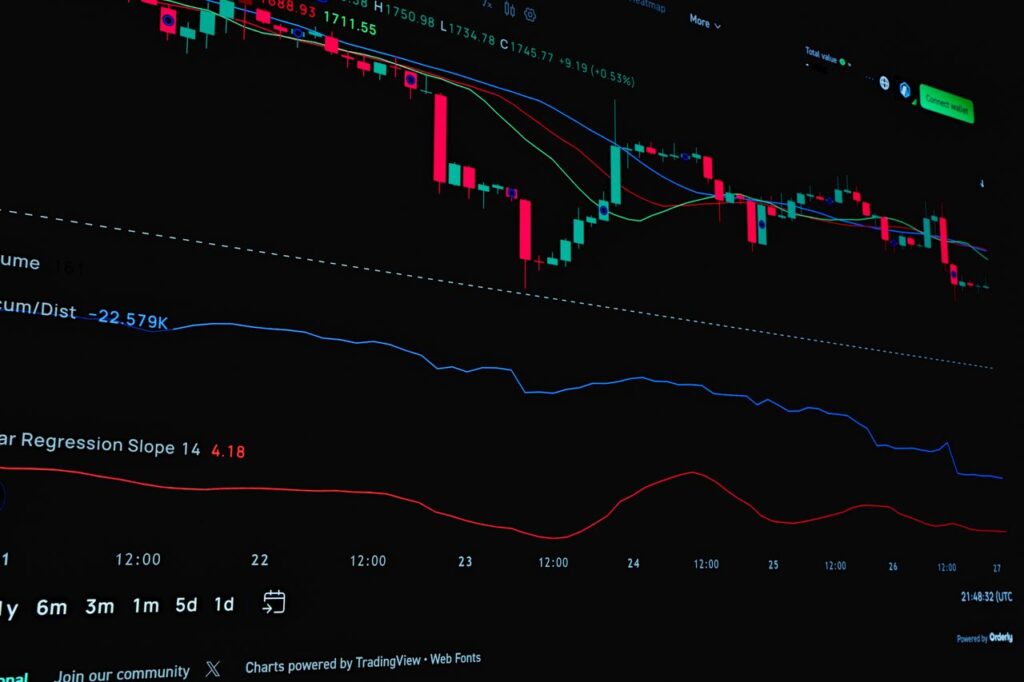
Bitcoin was down 3%, while Coinbase and Circle shares fell 8% and 10% respectively, amid a broader market sell-off, CNBC reported.
The failed vote leaves the bill stalled and may push clearer federal crypto rules into next year. Senators are scheduled to leave Washington in early October and aren’t expected back until after the midterm elections, while the House recesses even earlier.
Senator Cynthia Lummis of Wyoming, the bill’s leading Senate champion, told reporters before the vote that “it’s over” if the procedural motion failed. CNBC reported the vote may also open the door for Fairshake, the crypto industry’s PAC, to back challengers against senators who blocked the bill.
With Congress stalled, much of the industry now expects regulatory momentum to come from elsewhere. The Securities and Exchange Commission has proposed letting startups sell up to $75 million of tokens without registering, while the Commodity Futures Trading Commission has approved the first bitcoin perpetual futures contracts in the US.
Coinbase chief executive Brian Armstrong reacted to the defeat directly: “The CLARITY Act didn’t advance in the Senate today, which was a disappointment,” he said. “The SEC and CFTC have the tools they need to create clear rules under existing authority, and I expect will begin working on this in earnest.”