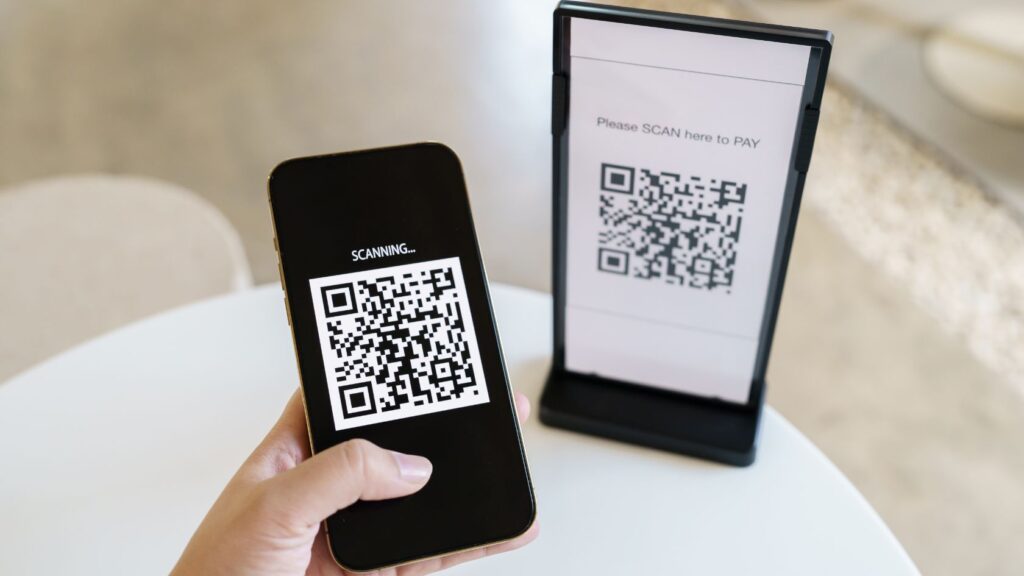
TerraPay has connected Xend, its wallet interoperability network, to Alipay+, Ant International’s unified wallet gateway, enabling cross-border QR code payments for digital wallet users, the companies announced on 9 September 2026. In the initial phase, 15 African digital wallets connected to Xend will gain access to more than 150 million merchants across Alipay+’s global network.
How the connection works
Wallet users pay by scanning a QR code at a participating merchant using the same domestic wallet app they already use at home, rather than downloading a new app or exchanging currency before travelling, . Alipay+ connects more than 50 international payment partners across 220 destination markets, including more than 10 national payment systems, giving TerraPay’s connected wallets reach into merchant networks well beyond their home markets, according to .

Ambar Sur, founder and chief executive of TerraPay, said:
“The home wallet on your phone, that is from Kenya or Colombia or any country, should work the same way in Singapore or China or anywhere in the world, as easily as it does at home. That’s the promise of Xend. This partnership with Alipay+ is a major step toward making cross-border wallet payments as natural as paying locally.”

Edward Yue, general manager of the Alipay+ Global Power Center at Ant International, said:
“By bringing TerraPay’s network of wallets to Alipay+, we’re helping more people and businesses connect across borders, creating new pathways for growth, and unlocking new opportunities.”
Also, read Network International Launches UAE’s First In-Store Stablecoin Pilot
From transfers to in-store acceptance
TerraPay’s cross-border payments business has historically centred on account-to-account transfers, moving money between wallets and bank accounts across markets. This partnership extends that into in-person, in-store retail acceptance, a different category of payment activity that depends on merchant-side infrastructure Alipay+ already operates, rather than infrastructure TerraPay would need to build itself market by market.
Neither company has disclosed which of the 15 African wallets are involved by name, a timeline for expanding beyond that initial group, or transaction volume projections. Whether adoption follows the pattern of other QR-based cross-border wallet interoperability efforts, where usage tends to concentrate among travellers rather than becoming a routine domestic payment method, is the detail likely to determine how much this partnership actually moves TerraPay’s business beyond its existing transfer volumes.