
Standard Chartered is now holding Ripple’s dollar stablecoin, RLUSD, for institutional clients through its branch in the Dubai International Financial Centre (DIFC), and plans to let those clients use the tokens as trading collateral on LMAX without moving them off the bank’s books.
The custody service runs on the XRP Ledger version of RLUSD and is open to eligible institutional clients, CoinDesk reported on 12 October. The DIFC branch is regulated by the Dubai Financial Services Authority (DFSA).
Collateral that stays put
The second part isn’t live. Under the planned arrangement, RLUSD held at Standard Chartered would count as eligible collateral for some products on LMAX, a London-based currency and crypto trading venue, while the tokens stay in the bank’s custody. The bank said it depends on documentation, testing, regulatory requirements and internal approvals. No launch date has been given.
Under what the bank calls a collateral mirroring model, the value of the RLUSD is reflected at LMAX while the tokens stay put. Standard Chartered’s announcement said this should reduce the operational risk of moving assets and improve capital efficiency for clients.
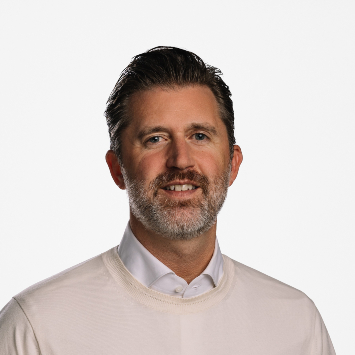
Luke Dorney, head of custody for digital assets at LMAX Group, said:
“By agreeing to adopt Standard Chartered’s collateral mirroring model, we are providing clients with greater flexibility.”

Jack McDonald, Ripple’s senior vice-president for stablecoins, said
“The arrangement creates a practical path for institutions to put stablecoins to work across global markets.”
Ripple put $150 million into LMAX in January 2026 to build RLUSD into LMAX’s systems, according to CoinDesk.
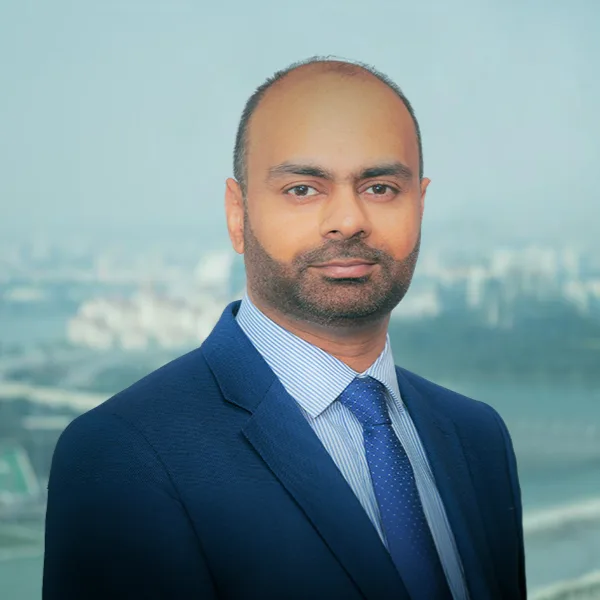
Waqar Chaudry, Standard Chartered’s global head of digital assets for securities and transaction services, said “institutional clients want to participate in digital asset markets” without weakening how their assets are safeguarded or how risk is managed.

Joseph Goh, head of Asia-Pacific at Areta, a Singapore-based crypto investment bank, told CoinDesk that “Regulated custody connected to a global systemically important bank is becoming valuable infrastructure for digital assets.”
A month of bank tokenised-money moves in the UAE
Standard Chartered launched digital asset custody in the UAE in September 2024 and started institutional bitcoin and ether spot trading through its DIFC entity on 3 September 2026. It took full ownership of crypto custodian Zodia Custody this year.
The Dubai service is part of a wider push. In early October the bank said it plans to offer custody in Singapore for selected cryptocurrencies, stablecoins and tokenised real-world assets, and in August it became the first bank to distribute one of Hong Kong’s two regulated stablecoins, according to CoinDesk.
Other global banks have been adding tokenised-money services in the UAE in the same period. Citi took its tokenised deposit service live in the UAE on 28 September. Mashreq and Citi completed a live payment on Swift’s blockchain ledger days later, and Ant International piloted dirham transfers on HSBC’s tokenised deposit network on 6 October.
Standard Chartered hasn’t said how many clients use the RLUSD custody service, how much it holds, or when the LMAX link will go live.
Also, read Fintech Takes $1.03 Billion, or 62%, of MENA Startup Funding in Q3 2026