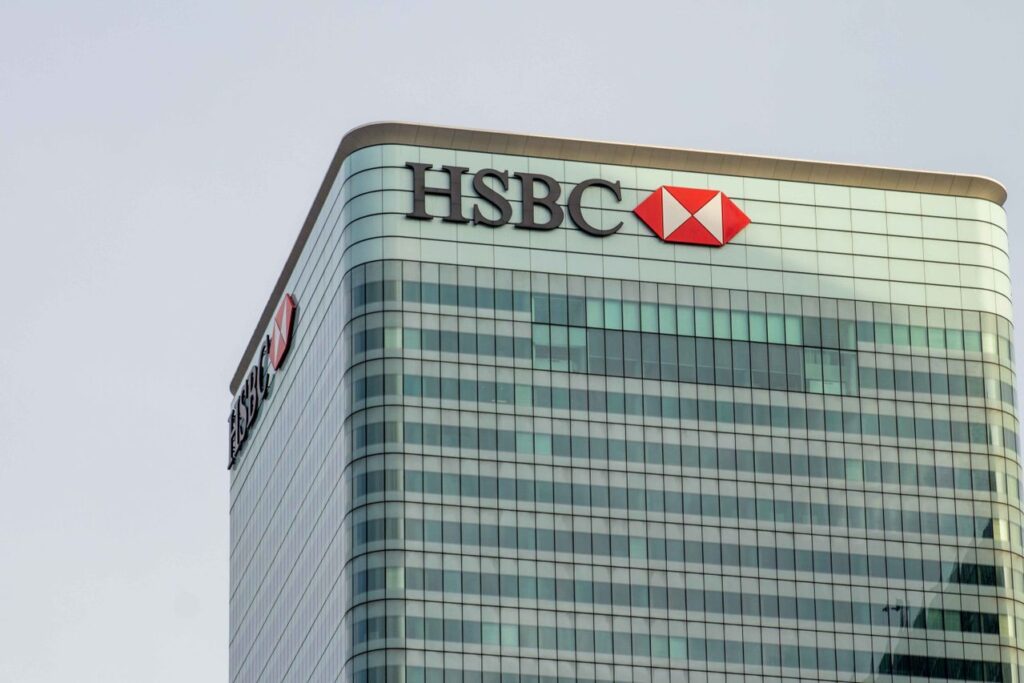
HSBC is using Smart Checking, an AI-powered solution for processing, tracing and checking trade finance documentation, in the United Kingdom, Hong Kong and the United Arab Emirates, with a full global production rollout planned over time, the bank said.
The solution combines HSBC’s proprietary AI with the expertise of its trade specialists to read, interpret and check trade documents at scale. The bank said it is intended to handle high-volume, repetitive tasks while allowing specialists to apply judgement where it has the greatest impact.
Documentary trade at HSBC involves processing over a million documentary presentations each year, including documentary credits and collections. Each presentation can extend to hundreds of pages and contain a wide range of structured and unstructured data points requiring extraction and review.
Documentary credit checks can also include conditions unique to each transaction and its underlying commercial contract. That means documents and checking requirements can vary significantly between transactions. HSBC said a single presentation can take hours to process, creating high operational demands during periods of peak activity.
Thomas Elliott, chief operating officer for Global Trade Solutions at HSBC, said Smart Checking is designed to combine machine processing with human judgement.
“Smart Checking is an ideal combination of AI and human expertise,” he said. “AI handles the scale and complexity of documentary trade, while human judgement is essential to understanding exceptions and making the decisions that matter. By co-creating the solution with our trade experts, we are building technology that boosts efficiency, practicality and innovation.”
“Smart Checking is designed around compliance and policy requirements, with confidence-based workflows determining where automation is appropriate and where human review is required,” he added. “With faster document handling, this can shorten the time to payment for our clients, which can improve certainty and help businesses unlock liquidity and working capital earlier.”
Smart Checking uses AI to extract and classify information from documents, turning complex and inconsistent documentation into structured, searchable data. An AI reasoning engine, supported by a knowledge graph, then interprets the information and performs documentary credit checks.
HSBC isn’t alone in building tailored AI for trade documents. BNY Mellon has used an AI agent to extract trade-loan requests from SWIFT MT799 messages. Angelia Toh, BNY’s head of Asia Pacific trade finance, said at GTR Asia in September 2026 that the system had processed more than 20,000 transactions since a pilot began around 18 months earlier, cutting processing time by 50%.
The wider question is whether tailored, bank-by-bank AI will connect the digital trade ecosystem or split it further. Patrick DeVilbiss, head of product at CGI’s Trade360 platform, told the same conference that fragmentation “is only going to get worse, particularly with AI,” as banks build systems around their own data and workflows. Samuel Mathew, Standard Chartered’s managing director and global head of documentary trade, said separate digital “islands” would remain, but that the industry needed to “get the islands to start talking to each other.”
Built on HSBC’s trade-document repository
HSBC said Smart Checking draws on its repository of trade finance documentation and the knowledge of specialists around the world, who the bank said helped shape and test it and helped define how exceptions should be presented in the workflow.
HSBC said Smart Checking is intended to keep the checking process consistent while preserving the expertise and controls fundamental to trade finance. Its confidence-based workflows decide where automation is appropriate and where human review is required, and are meant to keep outcomes explainable and auditable.
Smart Checking applies AI to a document-intensive, control-sensitive trade finance workflow. The release did not identify external technology providers, disclose the cost of the deployment or set a timetable for the planned global production rollout.