
Al Etihad Payments (AEP), the Central Bank of the UAE subsidiary that operates the Jaywan card scheme, and Mastercard have launched the first Jaywan-Mastercard co-badged credit card, a day after Sheikh Mansour bin Zayed Al Nahyan officially inaugurated Jaywan as the UAE’s first national domestic card scheme.
What launched a day after Jaywan’s national debut
The 21 July announcement covers three things: the co-badged credit card itself, new infrastructure for switching and processing card payment transactions, and a new Mastercard operations centre in the UAE that becomes part of Mastercard’s global network. Mastercard said the centre will run advanced cybersecurity, fraud prevention and threat intelligence capabilities alongside the processing work.
, with First Abu Dhabi Bank and Commercial Bank of Dubai among the first issuers of Jaywan debit and prepaid cards, and Network International enabling merchant acceptance. Domestic Jaywan transactions route through the UAE’s own UAESWITCH infrastructure rather than an international network.
AEP has said there are no additional merchant acceptance fees for Jaywan transactions domestically.
Mastercard is one of four, not Jaywan’s only partner
Mastercard’s role here is narrower than “exclusive partner” framing might suggest. AEP already holds co-badging agreements with Visa, UnionPay and Discover, covering Jaywan’s debit and prepaid cards, arrangements that predate this announcement. What is new in the 21 July deal is specifically the credit card co-badge: Mastercard is the first of the four networks to extend into Jaywan credit, not the only network Jaywan works with.
Why the UAE built its own card scheme
Jaywan joins a global pattern rather than a UAE-only experiment. who leads its Dubai office, has written that domestic card schemes are typically built for payment sovereignty, reduced reliance on international network fees, keeping transaction data within national borders, and fostering local competition.
By Edgar Dunn’s count, more than 90 domestic-only card brands already operate worldwide, including RuPay in India, Elo in Brazil, Mir in Russia and mada in Saudi Arabia, a group Jaywan now joins. Sideris’s analysis predates Jaywan’s launch and was not written about this specific announcement, but it describes the same motivations UAE officials have cited for building the scheme.
What the companies say
Humaid Al Dhaheri, CBUAE assistant governor and AEP chairman, said: “This collaboration represents a defining moment for the UAE’s payments ecosystem.”
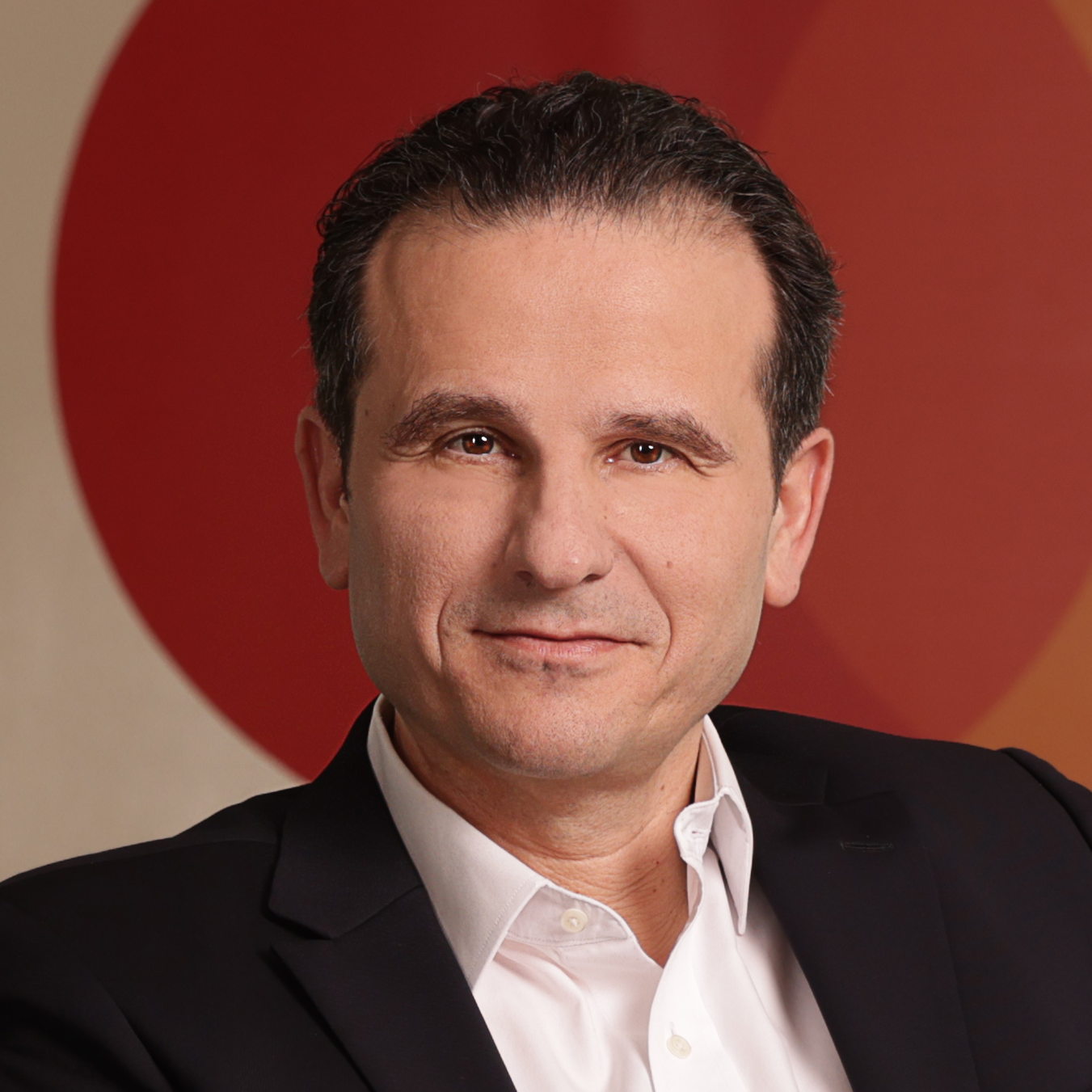
Dr. Dimitrios Dosis, Mastercard’s president for Europe, the Middle East and Africa, said: “As Mastercard celebrates forty years in the UAE, this latest milestone reflects how together we can strengthen the foundation for continued growth.”
Neither company has said when the credit card will actually reach customers, which banks will issue it first, what interchange or merchant fees will apply to it, or how it will be priced against Jaywan’s existing fee-free domestic debit and prepaid transactions. The debit and prepaid co-badges with Visa, UnionPay and Discover are already live; whether the credit card matches that pace, or takes longer given the added underwriting and credit-risk layer, is the part of this story still unanswered.